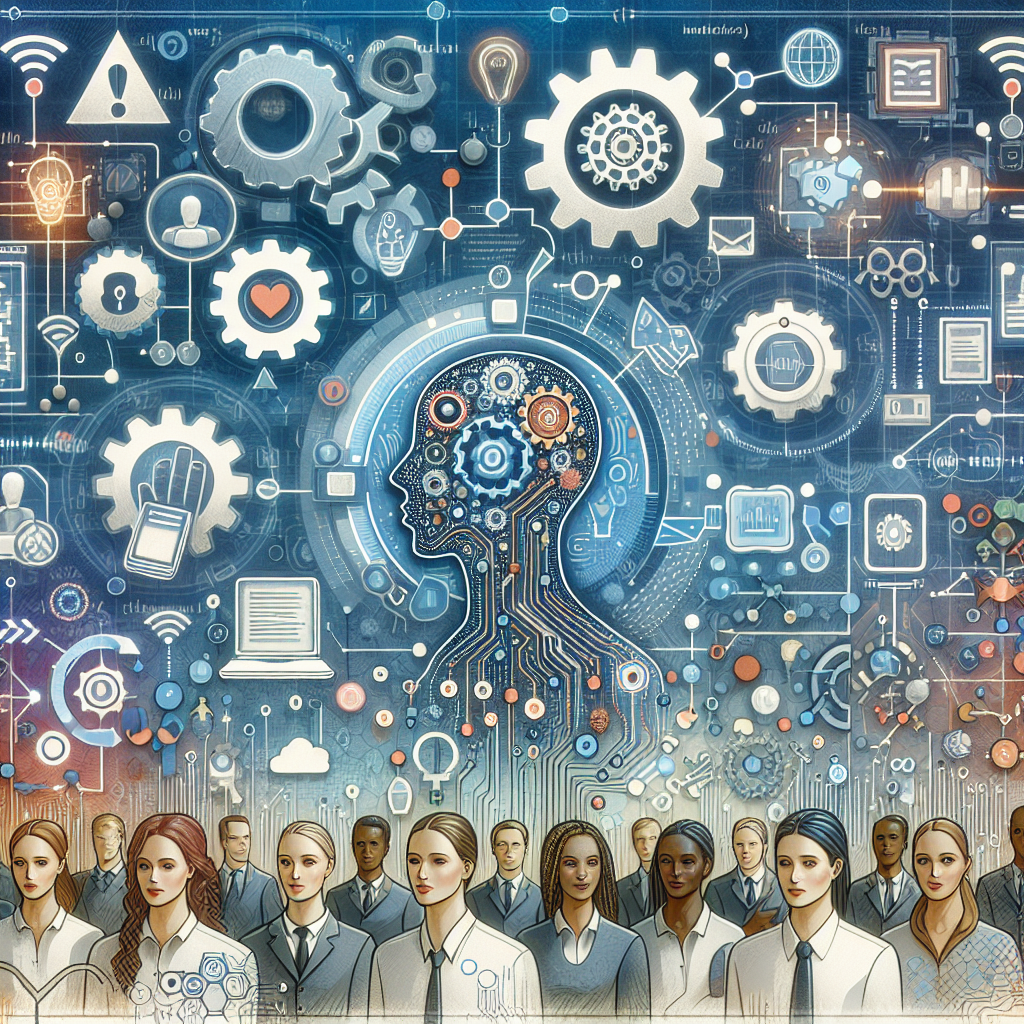
The world of software engineering is undergoing a significant transformation, largely propelled by the relentless march of Artificial Intelligence. AI is no longer a theoretical concept; it's an active participant, reshaping how software is conceived, built, tested, and maintained. This evolution presents both exciting new possibilities and fundamental shifts in the industry landscape.
AI: Automating the Engine Room
One of AI's most immediate and tangible impacts is the automation of routine and repetitive development tasks. AI-powered tools are becoming increasingly sophisticated, capable of generating code snippets, identifying and even suggesting fixes for bugs, automatically creating documentation, and handling simple maintenance operations. This surge in automation is directly contributing to increased efficiency and faster development cycles.
Companies are already reporting substantial boosts in engineering productivity thanks to AI adoption. The significant global spending projected for AI software underscores its growing integration into daily development workflows, signaling a widespread acceptance and reliance on these tools.
The Indispensable Human Element
Despite AI's growing capabilities in automating predictable processes, the need for human software engineers remains robust. However, the focus is shifting. Tasks that require high-level creativity, nuanced critical thinking, complex problem-solving, and strategic decision-making are still firmly within the human domain.
Professionals who excel at designing complex system architectures, possess deep specialized domain knowledge, and can effectively manage and integrate AI tools into larger, intricate projects are becoming increasingly valuable. Furthermore, navigating the complex ethical implications of AI development and ensuring legal and compliance standards require human judgment and oversight that AI cannot replicate.
Evolving Skills for a New Era
The rise of AI doesn't spell the end of software engineering; rather, it signals an evolution in the required skill sets. Future opportunities for engineers will increasingly lie in areas where they can complement and leverage AI capabilities.
One clear path is specialization in Artificial Intelligence and Machine Learning development itself. As AI becomes more integrated, understanding its underlying principles and how to build AI systems will be paramount. Cybersecurity is another critical field poised for growth, as the increasing complexity of software and the integration of AI introduce new and more sophisticated security challenges.
Bridging the gap between Information Technology (IT) and Operational Technology (OT) is also emerging as a vital area, demanding engineers who can navigate the complexities of both digital and physical systems, often involving AI at the intersection.
The Impact on the Engineering Landscape
While AI may automate some of the tasks traditionally performed by mid-tier developers focused on standardized, routine applications, it simultaneously empowers highly skilled, or "elite," engineers. These engineers can leverage AI tools to work at an accelerated pace, tackle more complex challenges, and focus on innovative solutions.
The inherent and ever-increasing complexity of software systems across all industries also ensures a continued, fundamental need for skilled human engineers who can design, build, troubleshoot, and maintain these intricate digital ecosystems.
Collaboration, Not Replacement
In conclusion, the future of software engineering in an AI-driven world is defined by collaboration and continuous adaptation. AI will undoubtedly continue to automate tasks, boost efficiency, and handle routine operations. This, however, frees up human engineers to focus on higher-value activities that require human ingenuity, critical thinking, and strategic oversight.
To thrive in this evolving landscape, software engineers must embrace AI tools, view them as collaborators, and strategically develop skills in areas that leverage unique human capabilities. Exploring specialized fields at the intersection of AI and critical domains like cybersecurity and IT/OT is also key. The future isn't about humans vs. AI, but rather about how humans and AI can collaborate synergistically to build the next generation of technology.
Comments & Discussion
Comments powered by GitHub Discussions. If comments don't load, please ensure:
You can also comment directly on GitHub Discussions